
Fibroids are non-cancerous, benign growths of the muscle layer of the uterus (womb), and are the most common form of pelvic tumours in women. Fibroids are also known as “leiomyoma” (singular) and “leiomyomata” (pleural) in medical terminology. It is estimated that 12-25% of women in the reproductive age group will have fibroids. Many of these women may not be aware that they have fibroids.
Uterine fibroids may cause heavy periods, as well as cause pressure symptoms on the bladder and the bowel. Women with fibroids pressing onto the bladder will feel a constant need to empty their bladder, resulting in frequent urination. Fibroids press onto the rectum may result in constipation or a sensation of incomplete bowel emptying.
Occasionally, fibroids can be associated with reduced fertility, and can sometimes cause problems during pregnancy.

Fibroids Types and Location
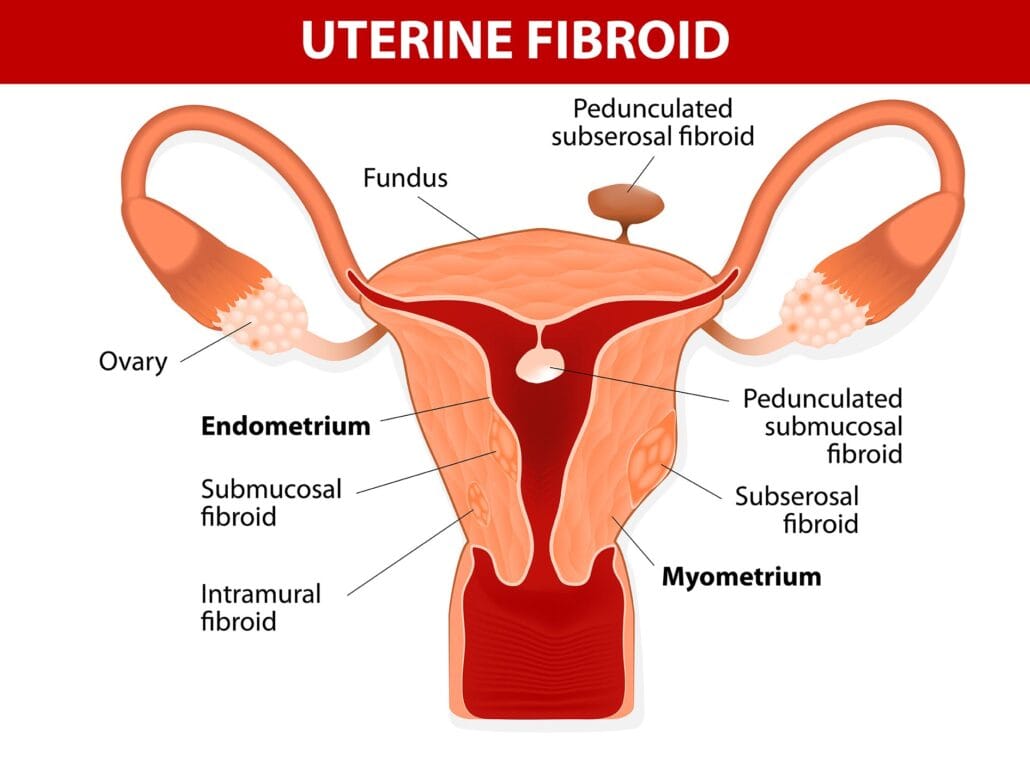
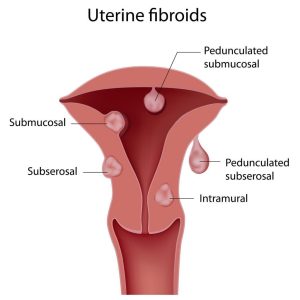
The type of symptom and the severity of the symptom depends mainly on the location of the fibroids. Fibroids may generally be classified into 3 locations. Fibroids may be located:
- on the outside of the uterus (subserosal fibroids). Sometimes these may hang off the uterus from a stalk.
- within the muscle layer of the uterus (intraumural fibroids); or
- inside the uterine cavity (submucosal fibroids).
It is not uncommon for women to have multiple fibroids in various locations. A pelvic ultrasound scan is useful for initial assessment of uterine fibroids. Some women may require a hysteroscopy for further information about the size and location of submucosal fibroids, and sometimes a pelvic MRI may be helpful to define the location and size of fibroids.
Fibroid Size
Fibroids can range in size from the size of a pea, up to a very large size. The world’s largest fibroid was removed in India in 2010, weighing 6.5kg, almost equal in weight to 2 full-term babies!
Fibroids can increase in size over time, but the rate of increase in size is variable. After the menopause, fibroids generally shrink in size.
Fibroids Treatment
Whether fibroids require treatment depends on whether it is causing any symptoms, the severity of the symptoms, and how these symptoms may be interfering with the woman’s lifestyle.
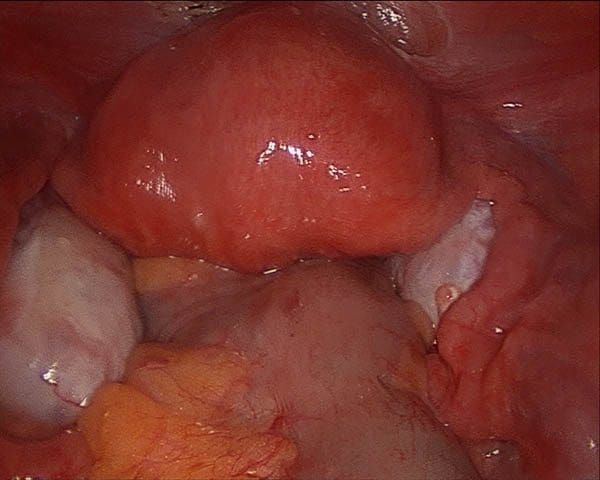
Treatment depends on the number, size and location of the fibroids. Surgical removal of fibroids is referred to as “myomectomy” in medical terminology.
Fibroids that are located within the cavity of the uterus may be removed using hysteroscopic surgery. This is all done through the vagina, without any incisions in the abdomen.
Some women may benefit from surgical removal of the fibroids via keyhole surgery (laparoscopy). Very large fibroids may require a larger incision into the abdomen in order to safely remove the fibroids. Alternative non-surgical options are also available.
Dr Ken Law specialises in the treatment of fibroids in Brisbane. For further information and to discuss your specific symptoms and conditions with Brisbane Fibroid Specialist Dr Ken Law, contact Dr Ken Law to arrange a consultation at Greenslopes Obstetrics and Gynaecology.
Experienced Robotic Surgeon
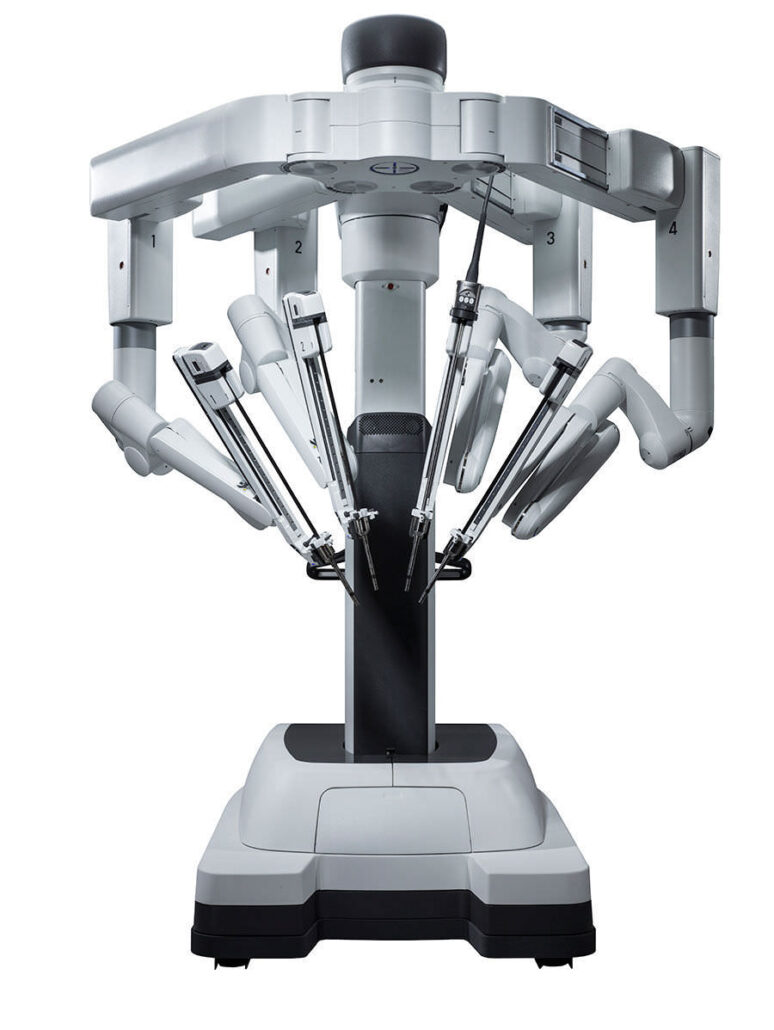
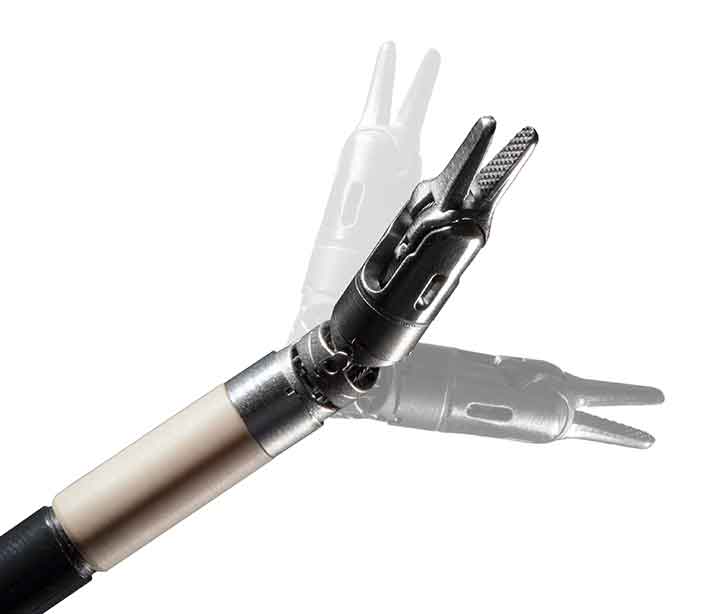
Robotic surgery is an extension of laparoscopic surgery. The da Vinci System features a magnified 3D high-definition vision system and tiny wristed instruments that bend and rotate far greater than the human hand. As a result, da Vinci enables your surgeon to operate with enhanced vision, precision and control.
Dr Ken Law is an experienced da Vinci Robotic Surgeon, and he is credentialed as a proctor to help other gynaecological surgeons perform complex gynaecological surgeries with the da Vinci Robotic System.
Dr Ken Law utilises the robotic surgery technology to perform hysterectomy and myomectomy for complex gynaecological conditions using a minimally invasive approach, enabling quicker recovery and return to work after your surgery.
Experienced High-Volume Gynaecological Surgeon
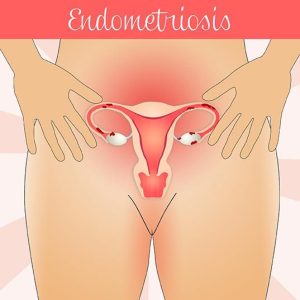
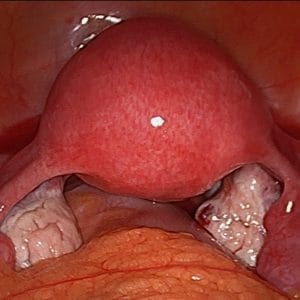
Dr Ken Law has extensive training and experience in the treatment of endometriosis, ovarian cysts, and fibroids. He underwent an Advanced Laparoscopic Fellowship in Sydney (AGES), and regularly performs complex gynaecological surgeries including:

Dr Ken Law
MBBS (Hons), FRANZCOG
Dr Ken Law is a trusted Obstetrician and Gynaecologist in Brisbane with extensive experience attained in Australia and overseas.
He is a passionate Brisbane Obstetrician delivering babies at Greenslopes Maternity, offering women attentive care from conception to all stages of pregnancy and delivery.
Dr Ken Law is also a leading Brisbane Gynaecologist specialising in minimally invasive gynaecological surgery using laparoscopic (“keyhole”) and robotic technologies.